



Common Hairdressing Scissor Problems: Quick Fixes for Stylists
Posted by Cool Blades | 16th Aug 2026


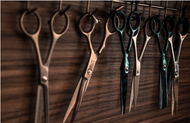
Hairdressing scissors need regular maintenance to perform at their best, and knowing how to fix common scissor problems can save stylists time, money, and frustration. As scissor experts, we see countless stylists dealing with simple issues that could easily be sorted at home. Often, these problems show up as those little annoyances that don’t feel quite right — but still manage to throw off your working day.
Below, we’ve compiled a list of common scissor symptoms and what they usually mean, so next time your scissors are causing you aggro, you can troubleshoot them with confidence.
Squeaking
Not only is this irritating for your client (especially when their ear is getting the full performance), but it can also cause unnecessary wear on your blades. Squeaking usually means the pivot point needs a drop of scissor oil. A quick oiling will silence the squeak and help your scissors glide more smoothly.
Snagging
Snagging often comes down to a tiny nick in the blade. This can happen when scissors cut through product build‑up or after an accidental drop — one careless moment can affect how your blades perform. A clean and oil may help, but persistent snagging usually means it’s time for a professional sharpen.
Rattling
If your scissors feel loose or wobbly, the pivot screw has likely worked itself out of place. When the blades don’t meet properly, hair bends instead of cutting, and you lose control of the handle — not ideal mid‑cut. Tighten the pivot screw using a tension key (usually included with your scissors). If your scissors have a tension dial, turn it clockwise to tighten and anticlockwise to loosen. Once you find that sweet spot, you should be slicing through hair like butter again.
Stiffness
If every snip feels like a mini workout, your tension may be too tight. Stiff scissors can also be caused by product build‑up around the screw mechanism. Loosen the tension slightly or give them a clean and oil to get them moving freely again — your hands will thank you.
Clashing Together
If your scissors suddenly start clinking together when fully closed, your bumper has fallen out. Without it, the blades cross over each other, exposing a sharp edge that can be dangerous. Replacing the bumper will stop the clashing and protect both you and your scissors.
Tools That Help With Scissor Maintenance
Adding these to your kit will make regular scissor care quick and easy:
Common Scissor Problems
What’s the biggest mistake stylists make with scissor care?
Using scissors to cut anything other than hair — especially foil, extensions, or packaging. Even one wrong cut can damage the blade edge.
What’s the best way to check scissor tension?
Lift one blade and let it fall. If it drops too quickly, the tension is too loose; if it barely moves, it’s too tight. You’re aiming for a smooth, controlled glide.
How should I store my scissors to prevent damage?
Keep them in a protective case or pouch when not in use. Leaving scissors loose in a drawer or on a workstation increases the risk of knocks, drops, and accidental nicks.
How often should I clean my hairdressing scissors?
Ideally after every client. Wiping away hair, moisture, and product residue keeps the blades performing smoothly and prevents long‑term damage.
Can water or disinfectant damage my scissors?
Yes. Over‑soaking or using harsh chemicals can cause corrosion or stiffness. Always dry scissors thoroughly and use salon‑safe cleaning products.
Keep Your Scissors Performing at Their Best
With a little regular maintenance, your scissors will stay sharp, smooth, and reliable — helping you deliver perfect cuts every day. If your scissors need professional care, our Cool Blades scissor technicians can sharpen, service, and refurbish them to keep you cutting smoothly.