



Low Fade vs Mid Fade vs High Fade: What's the Difference
Posted by Cool Blades | 4th Nov 2026


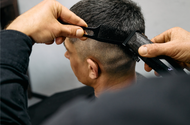
Walk into any modern barbershop and you'll almost certainly hear the word "fade" mentioned. From classic cuts to contemporary styles, fades remain one of the most requested barbering services. But while most people know they want a fade, many aren't sure whether a low fade, mid fade or high fade is the right choice for them.
If you've ever wondered about the difference between these popular haircut styles, you're not alone. Understanding where the fade begins and how it affects the overall look can help you choose a style that suits your face shape, hair type and personal style.
What Is a Fade Haircut?
A fade is a haircut technique that gradually blends hair from longer lengths at the top into shorter lengths down the sides and back. The transition creates a seamless, clean appearance that can be tailored to suit virtually any hairstyle.
The main difference between a low fade, mid fade and high fade is exactly where the fade begins on the head.
While the blending technique remains similar, the starting point dramatically changes the final look.
What Is a Low Fade?
A low fade starts just above the ears and follows the natural hairline around the head.
Because the fade begins lower down, it removes less bulk from the sides and maintains more coverage through the upper sections of the haircut.
Benefits of a Low Fade
- Creates a subtle, professional appearance
- Works well in formal and corporate environments
- Complements most face shapes
- Requires less dramatic contrast
- Ideal for first-time fade clients
A low fade pairs particularly well with textured crops, side parts, pompadours and longer hairstyles.
For clients who want a clean finish without exposing too much of the scalp, the low fade is often the safest option.
Best For
- Professional environments
- Thicker hair types
- Clients wanting a subtle look
- Longer hairstyles on top
What Is a Mid Fade?
A mid fade starts roughly halfway between the temples and the ears.
This places it directly between the low and high fade, offering a balance between subtlety and boldness.
Many barbers consider the mid fade the most versatile option because it suits a wide range of styles and face shapes.
Benefits of a Mid Fade
- Creates a balanced look
- Suitable for most hair types
- Offers more contrast than a low fade
- Modern without being extreme
- Works with a variety of haircut styles
The mid fade has become especially popular in recent years thanks to its adaptability. Whether combined with a textured quiff, slick back, crop or curls, it delivers a fresh and contemporary finish.
Best For
- Most face shapes
- Modern hairstyles
- Medium-length hair on top
- Clients wanting a noticeable fade without going too short
What Is a High Fade?
A high fade begins near the temples or upper sides of the head.
This removes significantly more weight and bulk from the sides, creating maximum contrast between the longer hair on top and the faded sections below.
The result is a bold, sharp haircut that immediately draws attention.
Benefits of a High Fade
- Creates a striking appearance
- Makes hair on top appear fuller
- Helps reduce bulk in thick hair
- Delivers a highly modern finish
- Emphasises facial features
Because the fade starts higher on the head, more scalp can become visible, particularly when skin fades are incorporated.
This makes the high fade a popular choice for clients seeking a statement haircut.
Best For
- Bold, modern styles
- Thick or dense hair
- Short hairstyles
- Clients looking for maximum contrast
Which Fade Is Best for Your Face Shape?
Round Faces
Mid fades and high fades can help create the illusion of additional height and structure, resulting in a more angular appearance.
Square Faces
Low and mid fades often complement strong jawlines without adding excessive sharpness.
Oval Faces
Most fade styles work well with oval face shapes due to their natural balance.
Longer Face Shapes
A low fade may be preferable because it retains more width through the sides and avoids making the face appear longer.
Which Fade Requires the Most Maintenance?
Generally, high fades require the most frequent touch-ups.
As the fade starts higher on the head, regrowth can become noticeable more quickly. Clients often return every two to three weeks to maintain a crisp appearance.
Low fades tend to grow out more naturally, allowing some people to stretch appointments for longer periods.
Mid fades typically sit somewhere in the middle.
Frequently Asked Questions
What is the most popular fade haircut?
The mid fade is often considered the most versatile and widely requested fade because it offers the perfect balance between subtle and dramatic.
Does a fade suit all hair types?
Yes. Fades can be customised to work with straight, wavy, curly and coily hair textures.
Is a low fade more professional than a high fade?
Many people view low fades as more conservative because they retain more coverage and create less contrast.
Which fade lasts the longest?
Low fades generally grow out more softly and therefore appear tidier for longer between appointments.
Choosing the Right Fade
There isn't a single "best" fade. The right choice depends on your personal style, lifestyle and maintenance preferences.
If you want a subtle, professional look, a low fade is hard to beat. If you're after versatility, the mid fade is a reliable all-rounder. For maximum impact and contrast, the high fade delivers a bold modern aesthetic.
The good news is that all three fade styles can be adapted to suit different hair types and haircut preferences, making them some of the most versatile options available in modern barbering.